Estació del Ferrocarril de Sóller
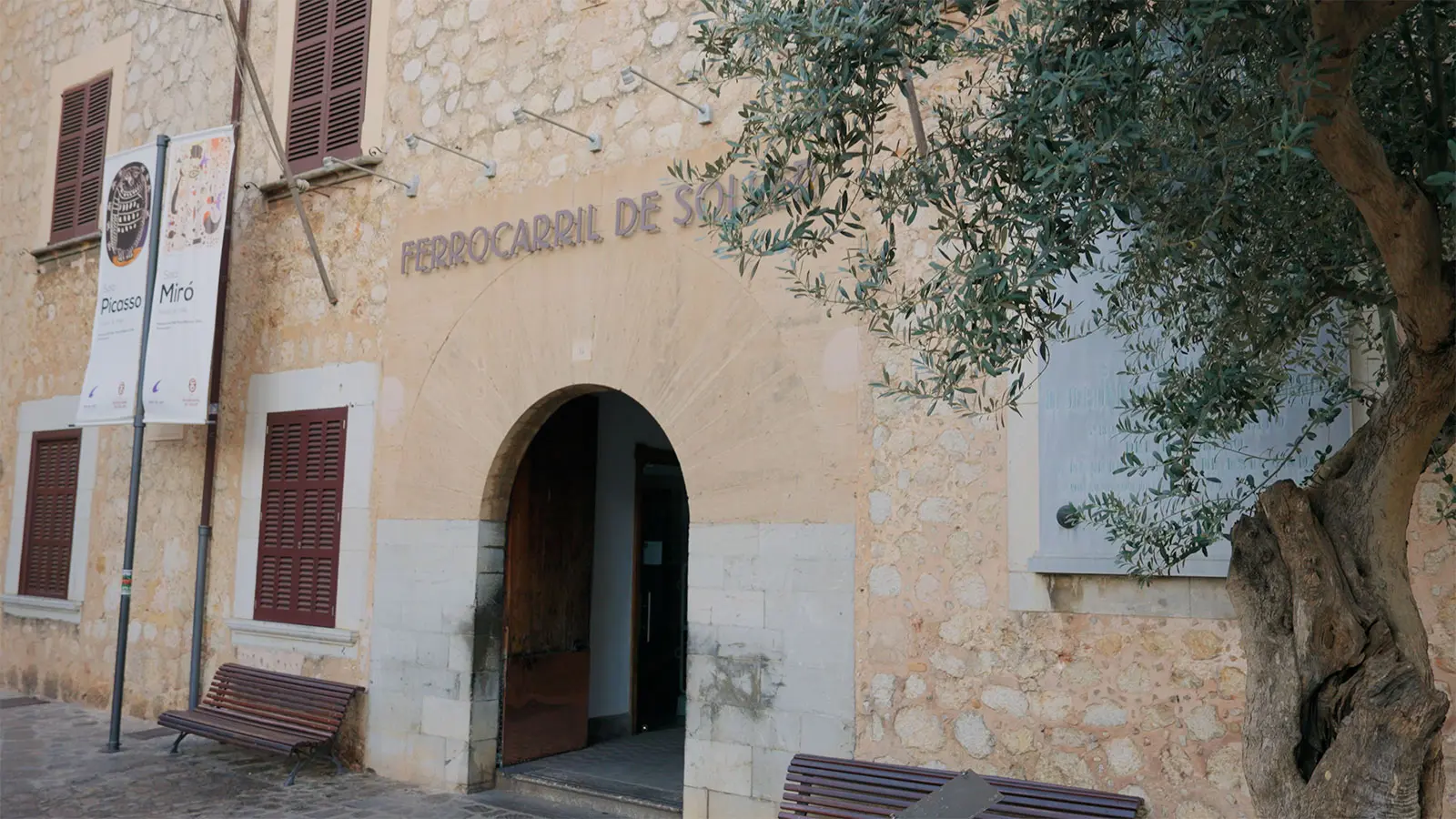
The current Sóller railway station is located in a building dating from 1606, which also featured an old defensive tower used to protect against corsair attacks on the Mallorcan coast. The building was acquired by the company at the beginning of the 20th century and renovated to adapt it to railway needs.
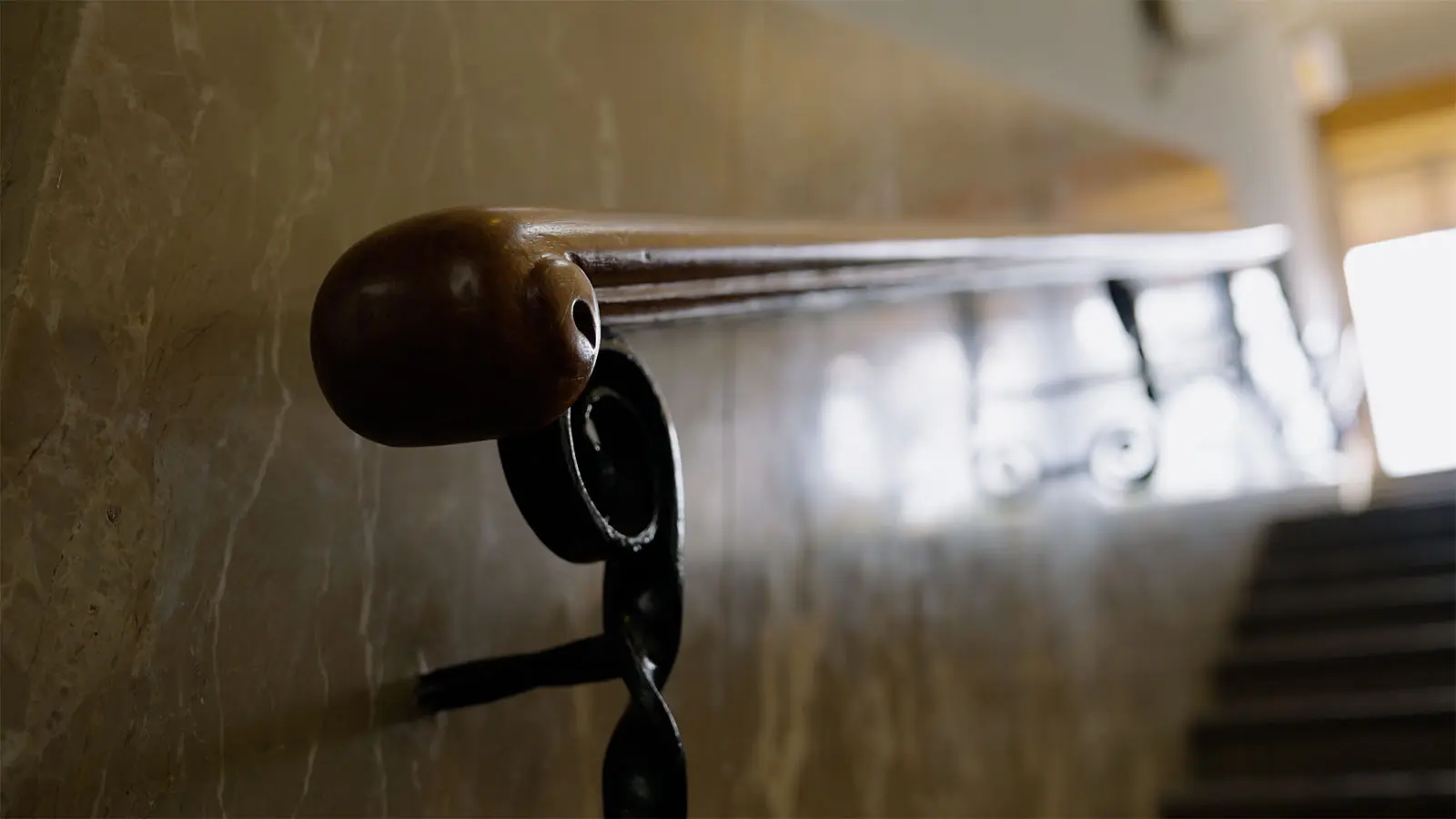
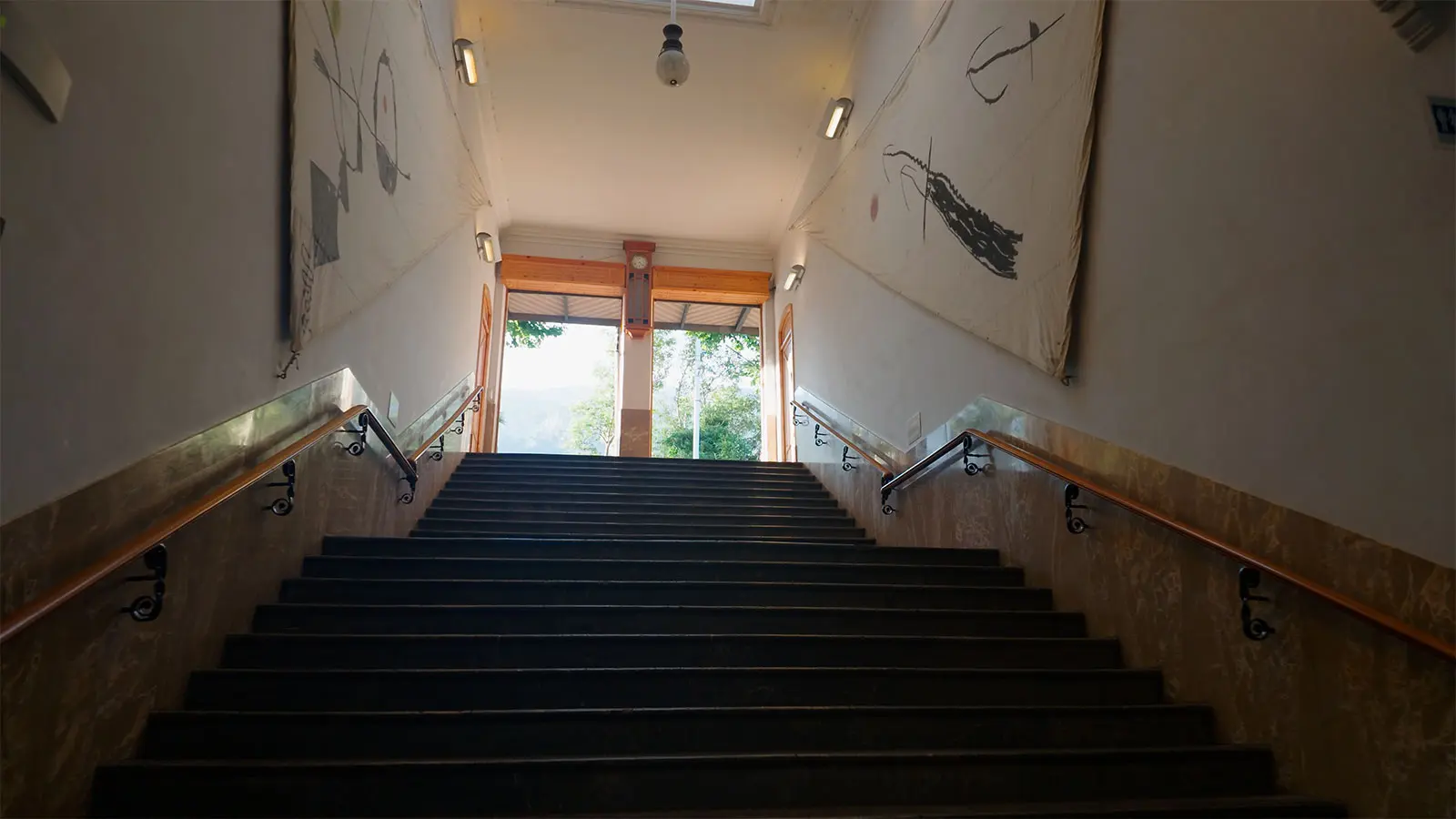
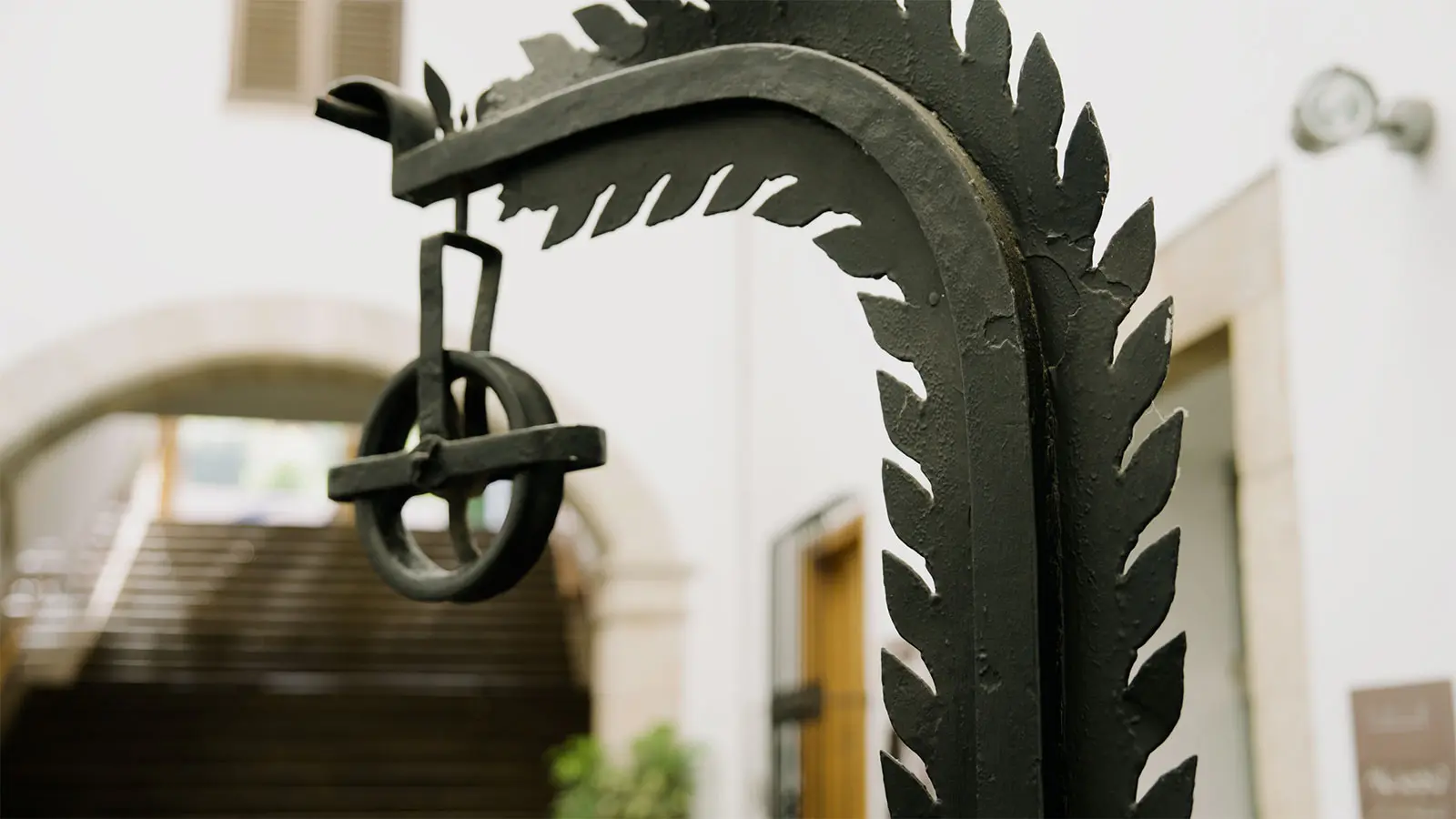
Although part of the original exterior façade was preserved, the interior of the station was redesigned in a Modernist style. The Art Nouveau style extends into every detail, including the decoration of door handles. In the hall, a notable feature is the iron support of the cistern collar shaped like a palm leaf, and the glass dome from which a floral-decorated iron lamp hangs. The windows display highly elaborate wrought-iron work with floral motifs. The building’s iron structure is visible in the station roof and in the columns of the café.
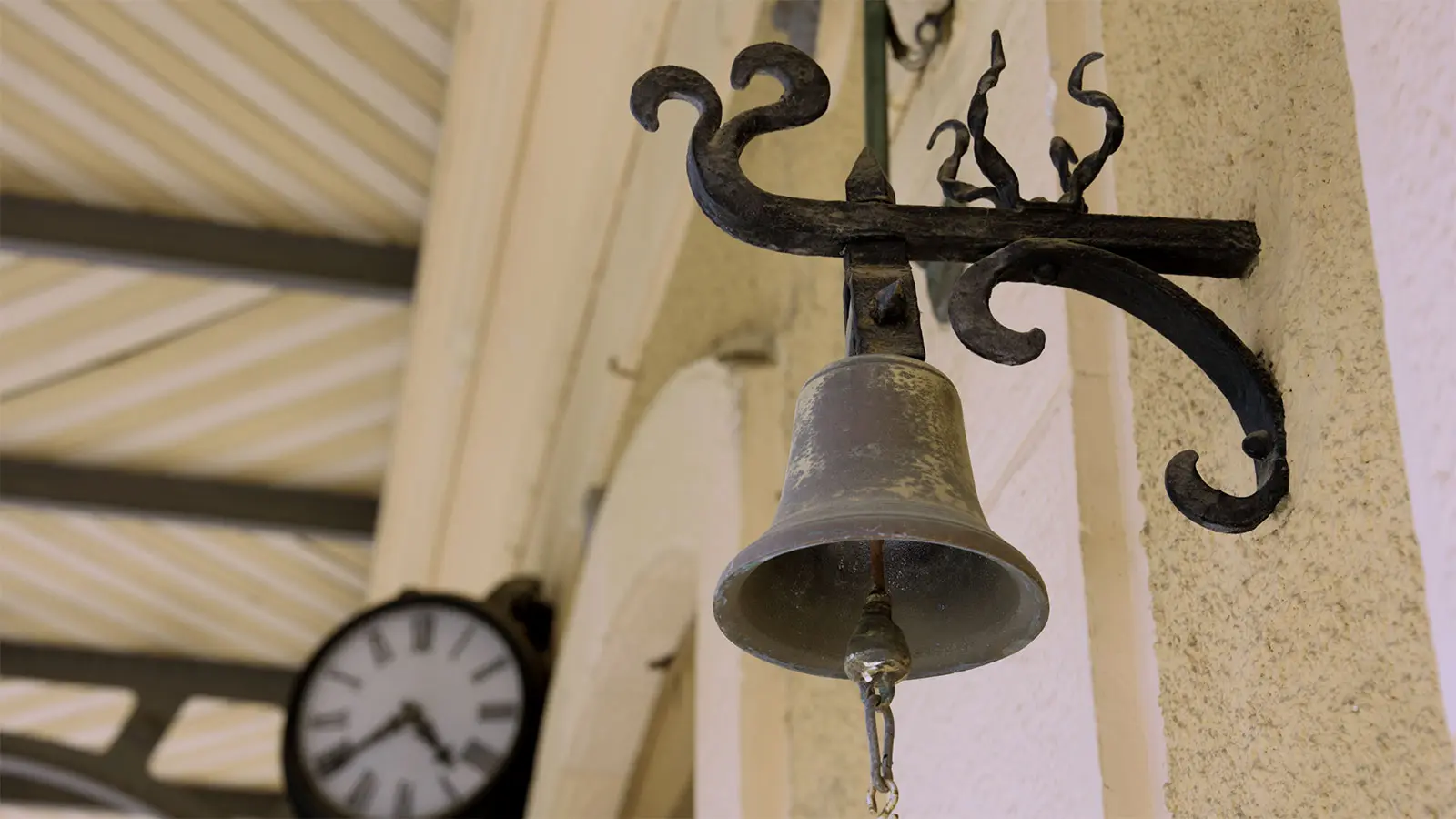
On the platform, period elements such as the clock, bell, lanterns, benches, and other objects have been carefully preserved by the railway company. On the side, a two-storey polygonal volume with a five-sided roof is attached. The ground floor features six large vertical windows with semi-circular arches, occupying much of the façade and separated by embedded columns made of marés stone corners. The upper floor follows the same structural rhythm but, instead of walls between columns, features large glazed openings protected by an intercolumnar marés stone balcony.
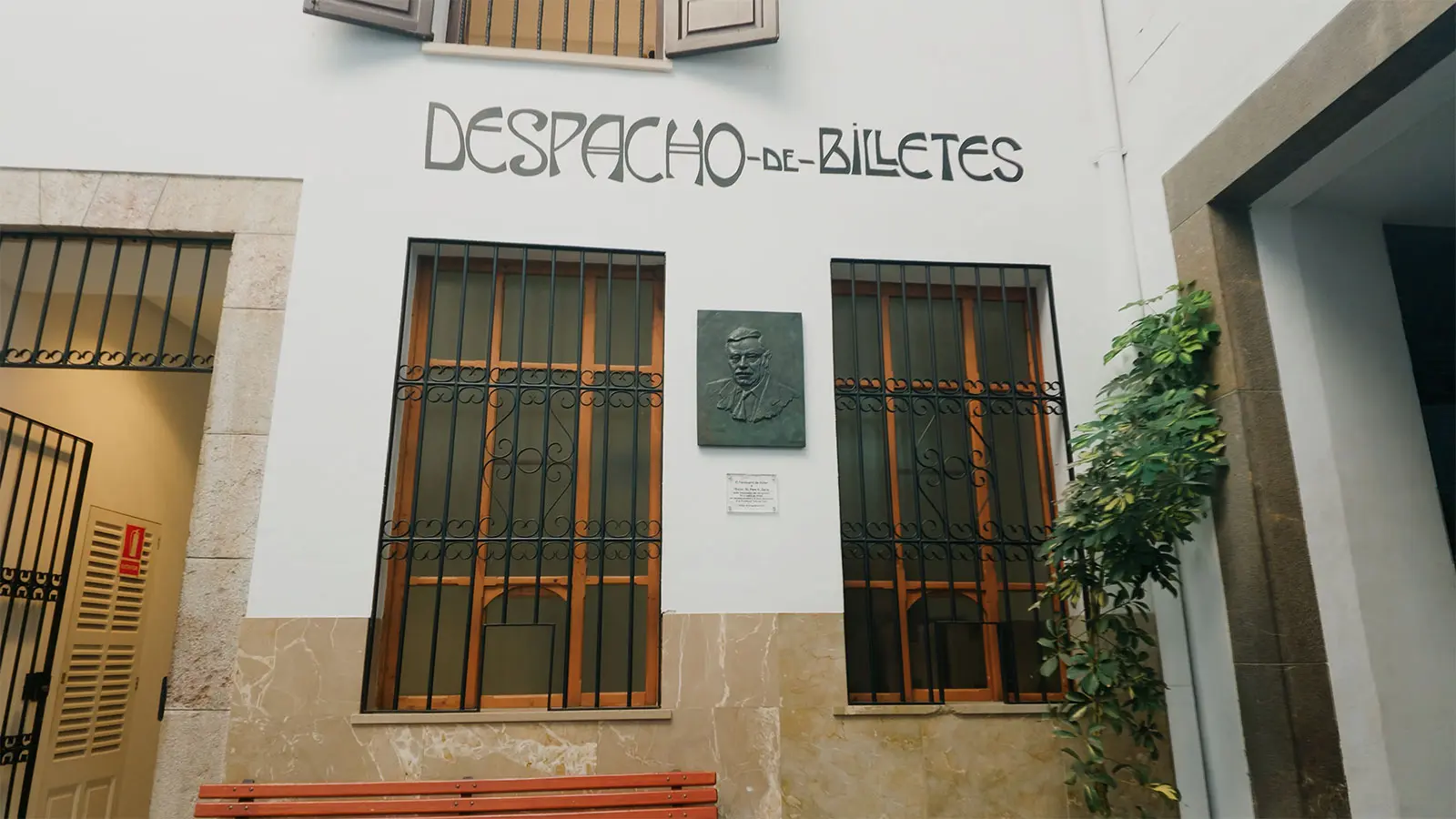
Two plaques are displayed on the façade: one dedicated to the poet Josep Lluís Pons i Gallarza (1823–1894), and the other to Jeroni Estades i Llabrés (1860–1932), a key promoter of the Ferrocarril de Sóller Company and sculpted by the Catalan artist Josep Llimona.
This building was once the manor house of the poet Josep Lluís Pons i Gallarça, a leading figure of the Renaixença in the Balearic Islands, and from here he composed one of his most famous and acclaimed poems, “Els tarongers de Sóller”.